Nature’s Defense: Foods That Help Starve and Eliminate Gut Parasites
The idea of parasites in the gut can be unsettling, but certain foods possess powerful properties that can help create an environment where these unwanted guests cannot thrive. It’s crucial to remember that these foods are best used as a supportive measure alongside professional medical advice, not as a replacement for it. If you suspect a parasitic infection, always consult a healthcare provider for a proper diagnosis.
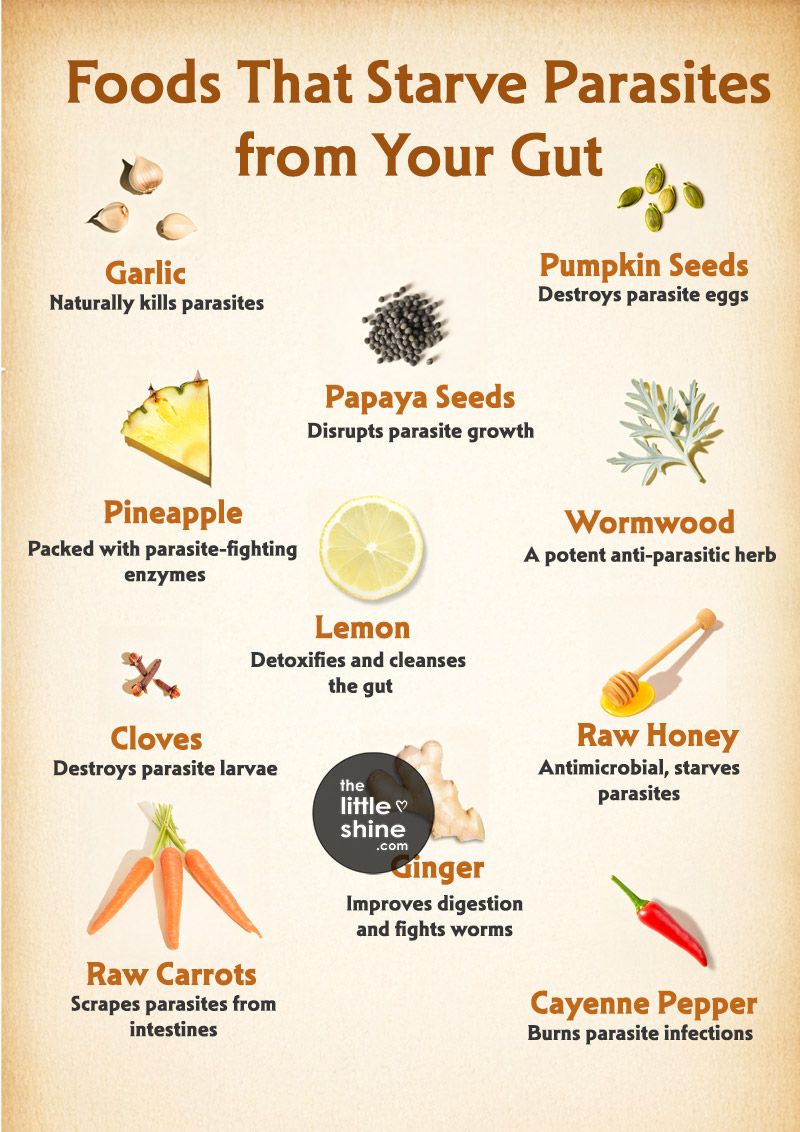
Here is a list of foods known for their role in supporting the body’s natural defense against parasites:
- Garlic: A true powerhouse, garlic contains a compound called allicin, which has potent antimicrobial and anti-parasitic properties. It works by naturally killing parasites and helping to flush them out of the system.
- Pumpkin Seeds: These are one of the most well-known traditional remedies. Pumpkin seeds contain an amino acid called cucurbitacin, which has the ability to paralyze parasites, making it difficult for them to cling to the intestinal walls and allowing the body to expel them more easily.
- Papaya Seeds: Specifically, the seeds of the papaya fruit have demonstrated effectiveness. They contain compounds that can disrupt the growth and lifecycle of intestinal worms. They are often ground and mixed with honey for this purpose.
- Pineapple: This tropical fruit is rich in the enzyme bromelain. Bromelain helps break down proteins and is thought to interfere with the survival of parasites in the gut, effectively helping to starve them out.
- Wormwood: A potent bitter herb, wormwood has been used for centuries to fight intestinal worms. Its strong anti-parasitic properties make it a common ingredient in herbal cleansing protocols, but it should be used with caution.
- Cloves: Perhaps one of the most important allies, cloves are effective at destroying parasite eggs and larvae. This is critical to preventing the lifecycle from continuing and is why cloves are often paired with other herbs like wormwood.
- Raw Carrots: Rich in fiber and beta-carotene, grated raw carrots can help scrape the intestines clean of mucus and parasites, while also boosting the immune system to fight off future infections.
- Coconut Oil: The medium-chain fatty acids in coconut oil, particularly lauric acid, have antimicrobial and antifungal properties that can help support the body’s fight against various pathogens, including parasites.
- Cayenne Pepper: This spicy pepper acts as a stimulant and antimicrobial agent. It helps increase circulation and create a “hostile” environment in the gut that parasites find difficult to tolerate.
- Turmeric: The active compound curcumin in turmeric is a powerful anti-inflammatory. It helps heal the gut lining that may have been damaged by parasites and supports overall liver detoxification.
By incorporating these foods into a balanced diet, you can take proactive steps toward supporting your gut health and creating an internal terrain that is far less welcoming to parasites.