Signs Your Body Is Lacking Essential Minerals
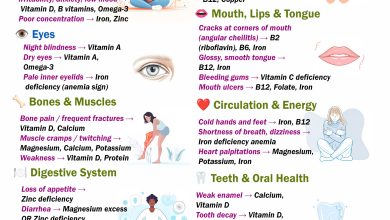
Minerals play a crucial role in maintaining overall health, from supporting immune function to ensuring proper muscle and bone strength. When the body lacks these vital nutrients, it often sends warning signals. Recognizing these signs can help you address deficiencies before they lead to more serious health issues. Here’s a breakdown of common mineral deficiencies and their symptoms.

1. Zinc: Low Immunity and Poor Wound Healing
Zinc is essential for immune function, cell growth, and wound repair. A deficiency can manifest as:
- Frequent infections or illnesses
- Slow wound healing
- Loss of appetite or taste changes
Solution: Include zinc-rich foods like oysters, beef, pumpkin seeds, and lentils in your diet.
2. Iodine: Weight Gain and Fatigue
Iodine is critical for thyroid function, which regulates metabolism. Deficiency symptoms include:
- Unexplained weight gain
- Neck swelling (goiter)
- Fatigue and hair loss
Solution: Consume iodized salt, seaweed, dairy products, and fish.
3. Phosphorus: Weak Muscles and Bone Pain
Phosphorus works with calcium to build strong bones and teeth. A lack of phosphorus may cause:
- Muscle weakness
- Bone pain or fragility
- Low energy levels
Solution: Eat phosphorus-rich foods like poultry, nuts, whole grains, and dairy.
4. Potassium: Weakness and Irregular Heartbeat
Potassium is vital for muscle function and heart health. Deficiency signs include:
- Muscle cramps or weakness
- Irregular heartbeat (arrhythmia)
- Fatigue or dizziness
Solution: Bananas, sweet potatoes, spinach, and avocados are excellent potassium sources.
5. Iron: Fatigue and Pale Skin
Iron is necessary for red blood cell production. Iron deficiency anemia symptoms are:
- Persistent fatigue
- Pale skin or shortness of breath
- Brittle nails
Solution: Increase iron intake with red meat, spinach, lentils, and fortified cereals. Pair with vitamin C for better absorption.
6. Manganese: Joint Pain and Slow Healing
Manganese supports bone health and wound healing. A deficiency may lead to:
- Joint pain or stiffness
- Weak bones
- Slow recovery from injuries
Solution: Nuts, whole grains, leafy greens, and legumes are good sources of manganese.
7. Calcium: Muscle Spasms and Brittle Bones
Calcium is key for bone strength and muscle function. Deficiency symptoms include:
- Muscle spasms or cramps
- Brittle bones (osteoporosis)
- Tingling in hands or feet
Solution: Dairy products, leafy greens, almonds, and fortified plant milks can boost calcium levels.
8. Magnesium: Cramps, Anxiety, and Poor Sleep
Magnesium aids muscle relaxation and nervous system function. Signs of deficiency are:
- Muscle cramps or twitches
- Anxiety or irritability
- Insomnia or restless sleep
Solution: Dark chocolate, nuts, seeds, and leafy greens are magnesium-rich foods.
9. Copper: Fatigue and Pale Skin
Copper helps with iron absorption and energy production. Deficiency may cause:
- Fatigue or weakness
- Pale skin
- Frequent bruising
Solution: Shellfish, organ meats, nuts, and seeds are excellent copper sources.
10. Selenium: Hair Thinning and Brain Fog
Selenium supports thyroid function and cognitive health. A lack of selenium can lead to:
- Hair thinning or loss
- Brain fog or memory issues
- Weak immune system
Solution: Brazil nuts, fish, eggs, and sunflower seeds provide selenium.
Conclusion
Mineral deficiencies can disrupt various bodily functions, but many symptoms can be reversed with dietary adjustments. If you suspect a deficiency, consult a healthcare provider for testing and personalized advice. A balanced diet rich in whole foods is the best way to ensure your body gets the minerals it needs to thrive.