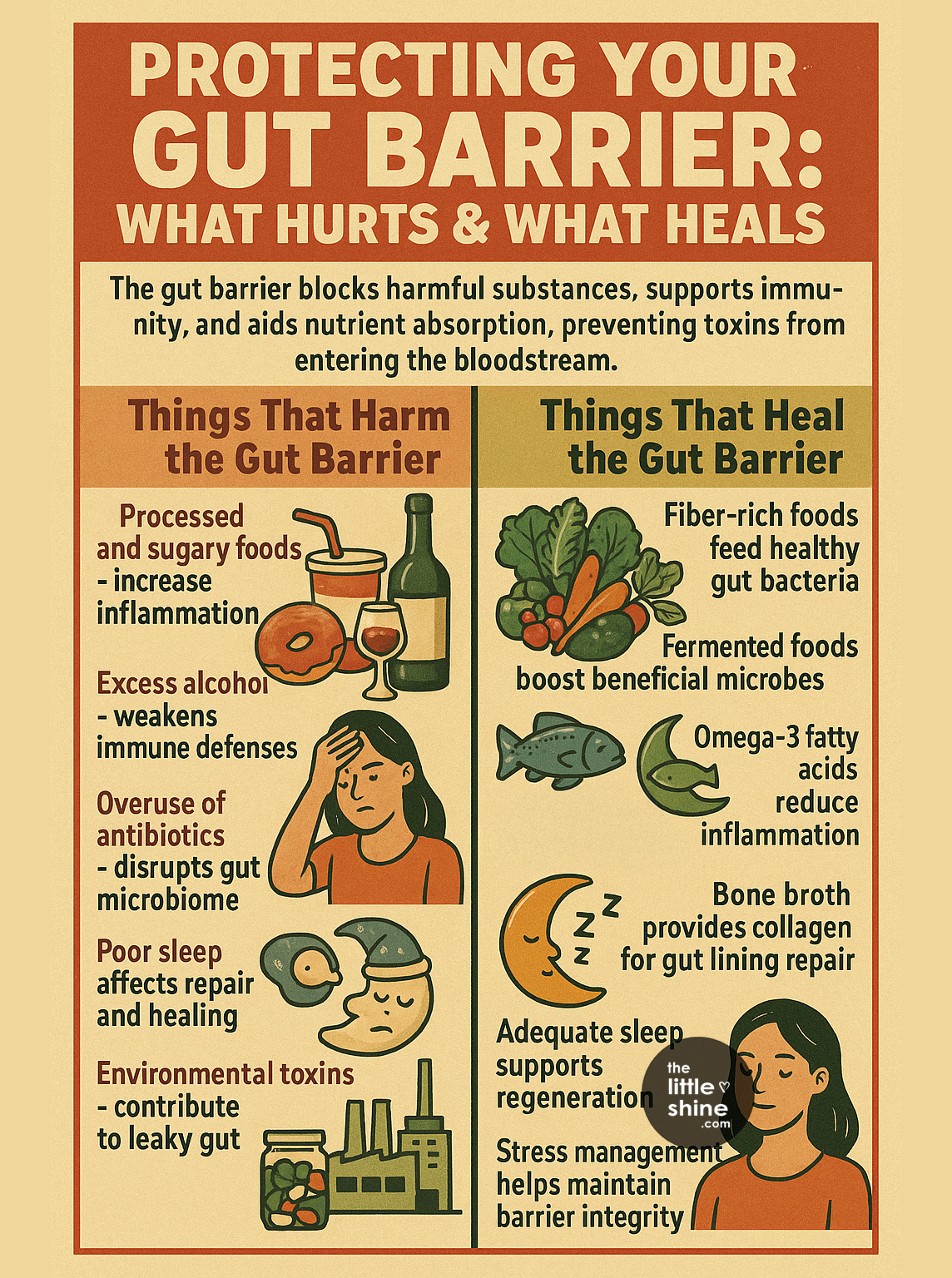
A healthy gut is fundamental to overall well-being, influencing everything from digestion and immunity to mental health and chronic disease risk. Here’s how you can nurture your gut ecosystem point-by-point.
1. Dietary Strategies: Feed Your Good Bacteria
Prioritize Fiber-Rich Foods: Dietary fiber is the primary fuel for beneficial gut bacteria. They ferment it into short-chain fatty acids (like butyrate), which strengthen the gut lining and reduce inflammation.
Soluble Fiber: Found in oats, barley, nuts, seeds, legumes, and fruits like apples and citrus. It forms a gel-like substance that feeds bacteria.
Insoluble Fiber: Found in whole grains, vegetables, and wheat bran. It adds bulk to stool and helps food pass more easily through the digestive system.
Aim for at least 25-35 grams of fiber daily from diverse plant sources.
Eat the Rainbow of Plants: Diversity is key. Different bacteria thrive on different fibers.
Strive to eat 30 different plant-based foods each week (including fruits, vegetables, whole grains, legumes, nuts, and seeds). This variety promotes a more diverse and resilient microbiome.
Incorporate Fermented Foods (Probiotics): These are foods that contain live beneficial bacteria.
Examples: Live-culture yogurt, kefir, raw sauerkraut, kimchi, kombucha, miso, and tempeh.
Aim to include a small serving of one fermented food in your diet daily to regularly introduce beneficial strains.
Consume Prebiotic Foods: Prebiotics are specific types of fiber that act as fertilizer for your good gut bacteria.
Limit Highly Processed Foods: These are often high in unhealthy fats, refined sugars, and additives, which can promote the growth of harmful bacteria and inflammation.
Reduce intake of sugary drinks, snacks, processed meats, and refined white carbohydrates (white bread, pasta).
Choose Healthy Fats: Omega-3 fatty acids, found in fatty fish (salmon, mackerel), flaxseeds, chia seeds, and walnuts, have anti-inflammatory properties that can benefit gut health.
Stay Hydrated: Drinking plenty of water is crucial for the mucosal lining of the intestines and for balancing good bacteria. It also combines with fiber to soften stool and prevent constipation.
2. Lifestyle Habits: Support Your System
Manage Stress Chronically: Chronic stress wreaks havoc on your gut by altering gut bacteria, increasing inflammation, and slowing down digestion.
Techniques: Practice mindfulness, meditation, deep breathing exercises, yoga, or any activity that helps you decompress regularly.
Get Consistent, Quality Sleep: Poor sleep patterns can negatively disrupt your gut microbiome, similar to the effects of stress. Aim for 7-8 hours of quality sleep per night to allow your body—and your gut—to repair and rebalance.
Exercise Regularly: Physical activity increases microbial diversity, which is a hallmark of a healthy gut.
A mix of cardio (like brisk walking, running, cycling) and strength training is beneficial. Even daily 30-minute walks can make a difference.
Eat Mindfully and Chew Thoroughly: Digestion begins in the mouth. Chewing food properly breaks it down, making it easier for your gut to process and absorb nutrients. It also prevents you from overeating, which can cause bloating and discomfort.
Avoid Unnecessary Antibiotics: Antibiotics are life-saving medicines but they are non-discriminatory—they kill both bad and good bacteria. Only take them when absolutely prescribed by a doctor. If you need a course, discuss probiotic supplementation with your doctor to help replenish good bacteria afterward.
3. Other Important Considerations
Don’t Smoke: Smoking is extremely harmful to gut bacteria and is a major risk factor for several digestive disorders, including Crohn’s disease.
Limit Alcohol Intake: Excessive alcohol consumption can damage the gut lining, increase inflammation, and negatively alter the microbiome. Stick to moderate consumption guidelines.
Listen to Your Gut: Pay attention to how your body reacts to different foods. If you consistently experience bloating, pain, or discomfort after eating certain things, you may have an intolerance. Consider speaking to a doctor or dietitian.
Consider a Probiotic Supplement (With Caution): While food sources are best, supplements can be helpful in certain situations, like after antibiotics or for specific conditions. However, they are not one-size-fits-all. Consult a healthcare professional to choose a strain that’s right for your needs.
Summary: The Golden Rules
Diversify Your Plate: Eat a wide variety of whole plant foods.
Feed the Good Bugs: Include prebiotic and fermented foods regularly.
Live Gut-Friendly: Prioritize sleep, manage stress, and move your body.
Avoid Gut Saboteurs: Limit processed foods, excessive sugar, and alcohol.
By adopting these point-wise strategies, you create an environment where beneficial gut bacteria can flourish, leading to better digestion, stronger immunity, and improved overall health.